


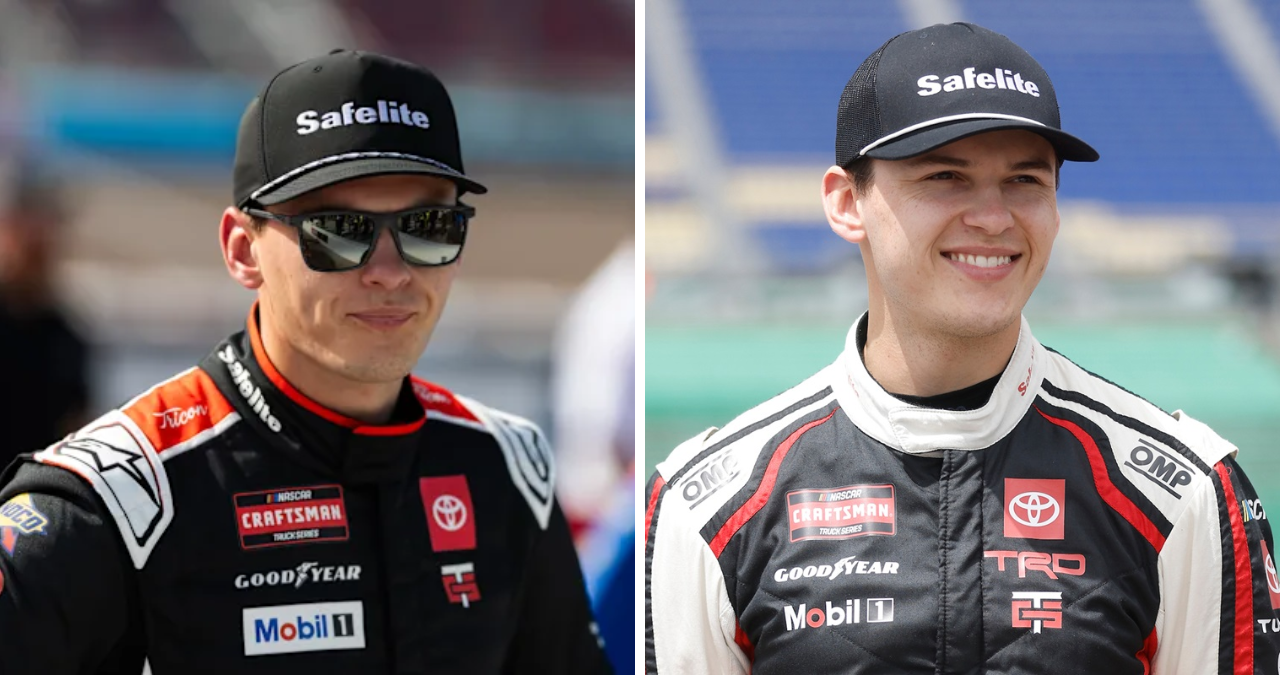
In modern stock car racing, few young drivers have generated as much excitement and anticipation as Corey Heim. Emerging from the competitive world of short-track racing and climbing through NASCAR’s developmental ladder, he has become one of the most talked-about prospects in motorsports. His rapid progression, maturity behind the wheel, and ability to consistently compete at the front of the field have made him a standout figure among racing’s new generation.
The journey from local racing circuits to national recognition is never simple. It requires talent, discipline, financial support, technical understanding, and an unwavering commitment to improvement. Many promising drivers begin the climb, but only a select few successfully transition into elite competition. The young Georgia native has managed to separate himself from the crowd through exceptional racecraft and a professional approach that exceeds his years.
Fans, analysts, team owners, and industry insiders have all taken notice. Whether competing in NASCAR Truck Series events, developmental programs, or high-profile races against experienced veterans, he has repeatedly demonstrated the qualities associated with future champions. His consistency, race management, and ability to adapt to changing track conditions have helped establish him as one of the sport’s brightest emerging stars.
As NASCAR continues its evolution, the importance of cultivating young talent has never been greater. New personalities and competitive drivers help attract audiences while ensuring the long-term health of the sport. Among this new wave of competitors, few names carry as much momentum as Corey Heim, whose career trajectory suggests that even bigger accomplishments may lie ahead.
Early Life and Racing Roots
The foundation of every successful racing career begins long before national television appearances and championship battles. Born on July 5, 2002, in Marietta, Georgia, Corey Heim developed an interest in motorsports at an early age. Growing up in a region with a rich racing culture provided exposure to the sport and opportunities to learn from experienced competitors.
Like many successful NASCAR drivers, his introduction to racing came through grassroots competition. Early experiences in karting and local racing environments allowed him to develop fundamental skills while building confidence behind the wheel. These formative years are often where future champions learn race awareness, vehicle control, and the mental discipline required for sustained success.
The competitive nature of youth racing can be intense. Drivers are constantly evaluated based on results, adaptability, and progression. From an early stage, he demonstrated a level of consistency that distinguished him from many of his peers. Rather than relying solely on raw speed, he developed an understanding of race strategy and tire management that would later become major strengths.
Family support played an essential role throughout this period. Motorsport careers demand significant commitments of time, resources, and travel. Without a strong support network, advancement becomes extremely difficult. The structure surrounding his development helped create an environment where talent could flourish while maintaining focus on long-term goals.
By his teenage years, he had already established himself as one of the most promising young racers in regional competition. Strong performances attracted attention from industry professionals, setting the stage for opportunities that would eventually propel him toward national prominence.
Building a Reputation in Late Model Racing
Before reaching NASCAR’s national series, many elite drivers spend years competing in late model racing. These vehicles serve as an important training ground where drivers learn advanced racecraft, vehicle dynamics, and competition against experienced opponents.
For Corey Heim, late model competition became a proving ground that showcased his potential. Racing against established veterans provided valuable experience while testing his ability to perform under pressure. Success at this level often serves as a reliable indicator of future accomplishments in higher divisions.
One of the defining aspects of his late model career was consistency. Winning races is important, but regularly finishing near the front demonstrates a deeper understanding of competition. Teams and manufacturers frequently look beyond victory totals when evaluating prospects, focusing instead on a driver’s overall performance profile.
His results reflected both speed and maturity. Rather than forcing aggressive moves that risked poor finishes, he displayed patience and calculated decision-making. These characteristics earned respect throughout the racing community and positioned him as a driver capable of succeeding at the next level.
The exposure gained through late model racing also introduced him to influential team owners, sponsors, and development programs. Strong performances generated momentum that would eventually open doors to larger opportunities in NASCAR-sanctioned competition.
As his reputation grew, industry observers increasingly viewed him as more than simply a talented prospect. He was becoming a legitimate future contender capable of making an impact on the national stage.
Entering the NASCAR Development Pipeline
Transitioning into NASCAR’s developmental structure represents a critical step for any aspiring professional driver. The competition becomes more intense, expectations rise, and every performance receives heightened scrutiny.
When Corey Heim entered this environment, he faced challenges familiar to all young competitors. Learning new tracks, adapting to different vehicle characteristics, and competing against highly skilled drivers required continuous growth. Success would depend not only on talent but also on the ability to learn quickly.
Manufacturer development programs play an important role in preparing young drivers for professional careers. These initiatives provide access to coaching, simulation technology, engineering support, and competitive opportunities. Participation in such programs allowed him to accelerate his learning curve while gaining exposure to industry best practices.
Throughout this stage, his performances continued to reinforce his reputation. Strong finishes and competitive runs demonstrated that he could handle increased pressure while maintaining composure. Teams value drivers who remain calm during challenging situations, and this quality became increasingly evident.
Adaptability emerged as another defining strength. Different tracks require unique approaches, and successful drivers must adjust accordingly. Whether competing on short tracks, intermediate ovals, or larger speedways, he consistently found ways to maximize performance.
The developmental pipeline serves as a filter that identifies drivers capable of advancing toward NASCAR’s highest levels. By continually producing results, he established himself as one of the most promising graduates of that system.
Breakthrough Performances That Captured Industry Attention
Every rising driver experiences moments that transform potential into recognition. These breakthrough performances often serve as turning points, convincing skeptics and attracting broader attention from fans and decision-makers.
For Corey Heim, several standout races provided exactly that type of validation. Competing against experienced opponents, he demonstrated an ability to run at the front, contend for victories, and execute under pressure. Such performances are particularly valuable because they occur in highly competitive environments where mistakes are costly.
Winning races carries significance beyond statistics. Victories demonstrate that a driver can close out events, manage expectations, and perform when stakes are highest. Each breakthrough success reinforced the perception that he possessed the skills necessary for long-term success.
Industry observers frequently noted his composure during these moments. Young drivers sometimes struggle with emotional decision-making, particularly when competing for major victories. His calm approach suggested a level of maturity that teams find highly attractive.
Another factor contributing to his growing reputation was versatility. Success across different tracks and race formats indicated that his abilities were not limited to a specific type of competition. This versatility enhanced confidence in his future prospects.
As these performances accumulated, discussions increasingly shifted from whether he belonged in NASCAR’s upper levels to how quickly he could reach them.
Success in the NASCAR Craftsman Truck Series
The NASCAR Craftsman Truck Series has long served as a proving ground for future stars. Many championship-caliber drivers developed their skills within this division before advancing to higher levels of competition.
Corey Heim quickly established himself as one of the series’ most competitive drivers. From the moment he began competing regularly, he displayed race-winning speed and remarkable consistency. These qualities enabled him to challenge experienced veterans while building an impressive résumé.
The Truck Series presents unique challenges. Close racing, frequent restarts, and aggressive competition require drivers to balance patience with assertiveness. Excelling in this environment demands a comprehensive skill set that extends beyond raw speed.
One of his most notable strengths has been race management. Throughout long events, maintaining tire performance and adapting to changing conditions often determine outcomes. His ability to make strategic adjustments has contributed significantly to his success.
The following table highlights key attributes that have fueled his rise:
| Attribute | Impact on Performance |
|---|---|
| Consistency | Produces strong finishes and championship points |
| Racecraft | Enables effective overtaking and defense |
| Tire Management | Maintains speed during long runs |
| Adaptability | Performs well on multiple track types |
| Technical Feedback | Helps teams improve vehicle setup |
| Composure | Reduces mistakes in pressure situations |
Strong Truck Series performances strengthened his standing within NASCAR’s talent pipeline. Each successful season added evidence supporting projections of future advancement.
Beyond statistics, he earned respect from competitors and team personnel who recognized the sophistication of his driving style. Such respect often proves invaluable as drivers continue climbing the professional ladder.
Partnership With Toyota and Professional Development
Manufacturer support can significantly influence a driver’s career trajectory. In NASCAR, relationships with major automotive brands provide resources, development opportunities, and strategic guidance that can accelerate progression.
Toyota has built one of the sport’s most effective driver development systems, and Corey Heim has been among its notable success stories. Access to experienced mentors, engineering expertise, and competitive equipment created an environment conducive to growth.
The relationship extends beyond race-day performance. Driver development programs focus heavily on communication, technical understanding, media responsibilities, and long-term career planning. These elements are essential for sustained success at the highest levels.
A driver’s ability to provide useful feedback often determines how effectively teams can improve performance. Throughout his career, he has demonstrated strong communication skills that allow engineers and crew chiefs to make informed adjustments.
Toyota’s investment in emerging talent reflects confidence in future potential. Manufacturers carefully evaluate prospects before allocating resources, making such support a significant endorsement of a driver’s abilities.
The partnership has also provided opportunities to compete in diverse racing environments. Exposure to different vehicles, teams, and competition levels broadens experience while accelerating development.
As a result, he has continued evolving into a more complete professional capable of handling the demands associated with elite-level competition.
Driving Style and Competitive Strengths
Every successful racer develops a unique approach to competition. Understanding a driver’s style provides insight into why certain individuals consistently achieve strong results.
One of the most frequently praised aspects of Corey Heim’s driving is efficiency. Rather than relying solely on aggressive maneuvers, he focuses on maintaining momentum and preserving vehicle performance throughout races. This approach often yields significant advantages during longer runs.
His corner entry and exit techniques demonstrate excellent car control. Smooth inputs help preserve tire life while maintaining competitive speed. Over the course of a race, these seemingly small advantages can produce meaningful performance gains.
Another notable strength is situational awareness. Successful drivers constantly process information regarding competitors, track conditions, tire wear, and strategic developments. His ability to evaluate evolving circumstances contributes to effective decision-making.
Race strategy also plays an important role in his success. Understanding when to push aggressively and when to conserve resources requires maturity and experience. He consistently demonstrates strong judgment in this area.
Veteran competitors often praise drivers who minimize mistakes while maximizing opportunities. This balance has become a defining characteristic of his racing approach.
One racing quote often attributed to successful competitors captures this philosophy perfectly: “Fast drivers win races, smart drivers win championships.” The disciplined style he exhibits aligns closely with that principle.
These strengths collectively create a foundation capable of supporting success across multiple levels of NASCAR competition.
Notable Victories and Career Highlights
A racing career is ultimately measured through achievements, and several milestones have already helped define the trajectory of Corey Heim. Each victory contributes to a growing legacy while demonstrating continued progression.
Winning at the national level requires execution across every aspect of competition. Drivers must qualify well, communicate effectively, manage strategy, and perform under pressure. His victories have consistently reflected excellence in these areas.
Certain wins stand out because of the quality of competition involved. Defeating experienced drivers provides validation that extends beyond statistics. Such accomplishments strengthen credibility among industry insiders and fans alike.
Another significant achievement has been his ability to contend regularly for victories. While individual wins attract attention, consistent competitiveness demonstrates sustainable performance. Teams value drivers who repeatedly place themselves in contention.
Championship campaigns have further highlighted his abilities. Success in season-long competition requires resilience, adaptability, and strategic consistency. Strong championship performances indicate readiness for higher levels of racing.
His accomplishments also reflect steady growth rather than isolated success. Each season has provided evidence of continued development, suggesting that future achievements may exceed those already recorded.
As his résumé expands, the significance of these milestones becomes increasingly apparent within the broader context of his career.
The Importance of Consistency in Modern NASCAR
Modern NASCAR rewards consistency as much as outright speed. Championship formats emphasize sustained performance across an entire season, making reliability a critical factor.
Corey Heim has distinguished himself through an ability to consistently produce competitive results. While spectacular victories capture headlines, steady performance often determines championship outcomes. This understanding has influenced his approach throughout his career.
Consistency requires mastery of multiple disciplines. Drivers must avoid unnecessary risks, communicate effectively, adapt to changing conditions, and maximize points opportunities. Excelling in these areas separates elite competitors from the rest of the field.
Mechanical issues, accidents, and strategic mistakes can quickly undermine championship aspirations. Minimizing such setbacks requires discipline and preparation. His record reflects a commitment to avoiding preventable problems whenever possible.
The mental aspect of consistency deserves particular attention. Maintaining focus across a long season presents significant challenges, especially for younger drivers. Strong mental preparation enables sustained performance despite inevitable adversity.
Industry experts frequently identify consistency as one of the strongest indicators of future success. Drivers who repeatedly deliver results often transition effectively to higher levels because their performance is based on repeatable strengths rather than occasional flashes of brilliance.
This reputation for reliability has become a major component of his growing appeal within NASCAR.
Leadership Qualities Beyond the Driver’s Seat
Leadership in motorsports extends beyond public visibility. While drivers occupy central roles, success depends on collaboration with crew members, engineers, sponsors, and management personnel.
One reason Corey Heim continues to earn respect is his professional approach to these responsibilities. Effective communication fosters trust and enhances team performance. Drivers who engage constructively with their organizations often create competitive advantages.
Leadership also involves accountability. When challenges arise, successful competitors focus on solutions rather than excuses. This mindset contributes to stronger team cultures and improved results.
Young drivers sometimes struggle with the transition from prospect to leader. Increased expectations require greater involvement in decision-making and team dynamics. His development in this area has mirrored his growth as a racer.
Sponsors value professionalism because drivers represent brands both on and off the track. Maintaining a positive image while interacting with media and fans contributes to long-term career stability.
A quote frequently associated with successful athletes applies particularly well here: “Talent gets attention, character earns trust.” Strong leadership qualities help transform talent into lasting opportunity.
As responsibilities continue to increase, these attributes may become even more important to future success.
Challenges Faced During a Rising Career
No racing career progresses without obstacles. Every successful driver encounters setbacks that test resilience and determination.
For Corey Heim, challenges have included adapting to increasingly competitive environments, managing expectations, and handling the pressure associated with high-profile opportunities. These experiences provide valuable lessons that contribute to long-term development.
Competition intensifies dramatically at each level of NASCAR. Drivers who dominated earlier stages often face opponents with comparable talent and greater experience. Adjusting to this reality requires continuous improvement.
External expectations can also create pressure. As recognition grows, fans and media naturally anticipate continued success. Maintaining focus amid heightened attention becomes an important skill.
Motorsports are inherently unpredictable. Mechanical failures, accidents, and strategic variables can impact outcomes regardless of preparation. Learning to manage frustration while remaining focused represents a critical aspect of professional growth.
Financial considerations also influence racing careers. Securing sponsorship and maintaining organizational support require consistent performance. Drivers must balance competitive objectives with broader professional responsibilities.
The ability to navigate these challenges often determines whether promising prospects achieve their full potential. His response to adversity has generally reinforced confidence in his future prospects.
Comparison With Other Emerging NASCAR Talents
Every generation produces a group of highly regarded prospects competing for opportunities and recognition. Comparing young drivers helps contextualize individual accomplishments while highlighting unique strengths.
Corey Heim belongs to a talented cohort that includes several impressive competitors progressing through NASCAR’s developmental system. Each driver brings distinct qualities, creating fascinating competitive dynamics.
One area where he consistently stands out is race management. While some prospects rely heavily on aggression and raw speed, his approach emphasizes efficiency and strategic execution. This balance often produces strong long-term results.
Technical feedback represents another differentiating factor. Teams place significant value on drivers who can accurately describe vehicle behavior and contribute to setup improvements. Strong communication enhances overall performance.
Consistency remains perhaps his greatest comparative advantage. Maintaining competitive results across diverse tracks and circumstances reflects a level of completeness that organizations highly value.
Comparisons to established stars are inevitable for any rising prospect. While such discussions can be premature, they reflect widespread recognition of potential. Continued development will ultimately determine the extent of future accomplishments.
Regardless of comparisons, his achievements already place him among the most respected young drivers currently competing in NASCAR’s developmental ranks.
Fan Support and Growing Popularity
Modern motorsports rely heavily on fan engagement. Supporters contribute to the sport’s atmosphere while influencing sponsorship opportunities and marketability.
The fan base surrounding Corey Heim has grown steadily as his results and visibility have increased. Success naturally attracts attention, but personality and professionalism also play important roles in building lasting support.
Fans often appreciate drivers who display authenticity and humility. These qualities help create meaningful connections while fostering long-term loyalty. His public interactions generally reflect a grounded and approachable demeanor.
Social media has transformed how drivers engage with audiences. Direct communication allows fans to follow careers more closely than ever before. Effective engagement helps strengthen relationships while expanding visibility.
Growing popularity benefits both drivers and sponsors. Increased recognition enhances marketing value, creating opportunities that support career advancement.
Trackside support provides additional evidence of expanding influence. As more fans identify with his journey, enthusiasm continues to build around future possibilities.
The relationship between performance and popularity often becomes self-reinforcing. Strong results attract supporters, while increased support creates additional opportunities for growth and exposure.
Future Prospects and Long-Term Potential
Projecting future success in motorsports always involves uncertainty, yet certain indicators provide valuable insight. Based on current trends, Corey Heim appears positioned for a promising long-term career.
Talent alone does not guarantee success. However, when combined with strong organizational support, consistent performance, and professional maturity, the outlook becomes increasingly favorable.
Advancement opportunities often emerge for drivers who consistently demonstrate readiness. Teams at higher levels continuously evaluate prospects capable of contributing immediately. His performances have strengthened arguments supporting future promotion.
Long-term success will depend on continued development. Even the most talented drivers must refine skills and adapt to evolving competition. Fortunately, his career trajectory suggests a strong commitment to ongoing improvement.
Championship potential remains one of the most frequently discussed aspects of his future. Consistency, racecraft, and technical understanding provide a foundation well suited for title contention.
Another encouraging factor is age. Significant accomplishments achieved early in a career create opportunities for extended growth and experience accumulation.
Many industry observers believe the coming years could represent a transformative period. If current trends continue, he may become a major figure within NASCAR’s competitive landscape.
Influence on the Next Generation of Racers
Successful young drivers often inspire future competitors by demonstrating what is possible through dedication and perseverance. Their achievements create pathways that others seek to follow.
Corey Heim has already begun influencing aspiring racers who view his progression as a model for advancement. His journey illustrates the importance of patience, consistency, and continuous improvement.
Grassroots racing communities pay close attention to drivers who successfully transition to national competition. Young racers studying career development frequently examine the habits and decisions that contributed to success.
His emphasis on professionalism offers an important lesson. Modern motorsports require more than driving talent. Communication skills, teamwork, and adaptability have become increasingly important components of career advancement.
Visibility also matters. As emerging drivers gain prominence, they help attract new participants and fans. This broader impact contributes to the health and sustainability of motorsports.
Role models need not be longtime veterans. Sometimes the most relatable examples come from individuals who recently navigated similar challenges. His relatively recent rise makes his experiences particularly relevant to aspiring competitors.
The influence of successful young drivers often extends well beyond race results, shaping attitudes and aspirations throughout the racing community.
Legacy in Progress
Legacies are typically evaluated after careers conclude, yet certain trajectories suggest future significance long before final results are known. Corey Heim remains early in his professional journey, but several elements already point toward a potentially impactful legacy.
Achievement, consistency, professionalism, and continuous improvement have become recurring themes throughout his career. These qualities often characterize individuals who leave lasting impressions on their sports.
The foundation established during his formative years continues to influence current success. Strong fundamentals, disciplined preparation, and strategic thinking provide advantages that remain valuable regardless of competitive level.
Future accomplishments will ultimately shape how history remembers him. Championships, victories, and major milestones still lie ahead. Nevertheless, the path established thus far has positioned him favorably among NASCAR’s emerging generation.
Legacy also involves influence. Drivers who inspire others, elevate organizations, and contribute positively to the sport create impacts extending beyond statistics. His conduct and approach suggest potential for meaningful contributions in these areas.
As the next chapters unfold, expectations will continue rising. Yet the characteristics that fueled early success remain firmly in place, providing reason for optimism regarding future achievements.
Conclusion
The story of Corey Heim represents one of the most compelling developments in modern NASCAR. From grassroots beginnings in Georgia to becoming one of stock car racing’s most respected young talents, his rise reflects dedication, skill, and continuous growth.
Throughout every stage of his career, he has demonstrated qualities associated with elite competitors: consistency, adaptability, technical understanding, composure, and professionalism. These strengths have enabled him to earn victories, contend for championships, and gain the confidence of teams, manufacturers, and fans.
What makes his journey particularly impressive is the balance between immediate success and long-term potential. Many drivers display speed, but fewer combine talent with the maturity required for sustained excellence. That combination has become a defining characteristic of his career.
As NASCAR continues evolving and new opportunities emerge, expectations surrounding Corey Heim are likely to grow even stronger. While future outcomes can never be guaranteed in motorsports, the foundation already established suggests a bright road ahead.
Whether viewed as a rising prospect, championship contender, or future star, his impact on the sport is already significant. The next phase of his career promises to be one of the most closely watched stories in racing, and all indications suggest that his best achievements may still be ahead.
FAQ
Who is Corey Heim?
Corey Heim is an American stock car racing driver from Marietta, Georgia, known for competing in NASCAR’s developmental and national series. He has earned recognition as one of the sport’s most promising young talents due to his victories, consistency, and professional approach.
What makes Corey Heim a highly regarded NASCAR prospect?
His combination of speed, racecraft, consistency, and technical understanding sets him apart from many competitors. Teams and analysts frequently praise his maturity, strategic decision-making, and ability to compete effectively across different track types.
Has Corey Heim won races in the NASCAR Truck Series?
Yes, Corey Heim has achieved multiple victories in the NASCAR Craftsman Truck Series. These wins have strengthened his reputation and demonstrated his ability to compete successfully against experienced drivers.
What manufacturer is associated with Corey Heim?
He has been closely associated with Toyota’s driver development system. This partnership has provided valuable resources, coaching, and competitive opportunities that have supported his growth as a professional racer.
What are the strongest aspects of Corey Heim’s driving style?
His driving style is known for efficiency, tire management, consistency, and intelligent race strategy. Rather than relying solely on aggressive maneuvers, he focuses on maintaining performance throughout an entire event.