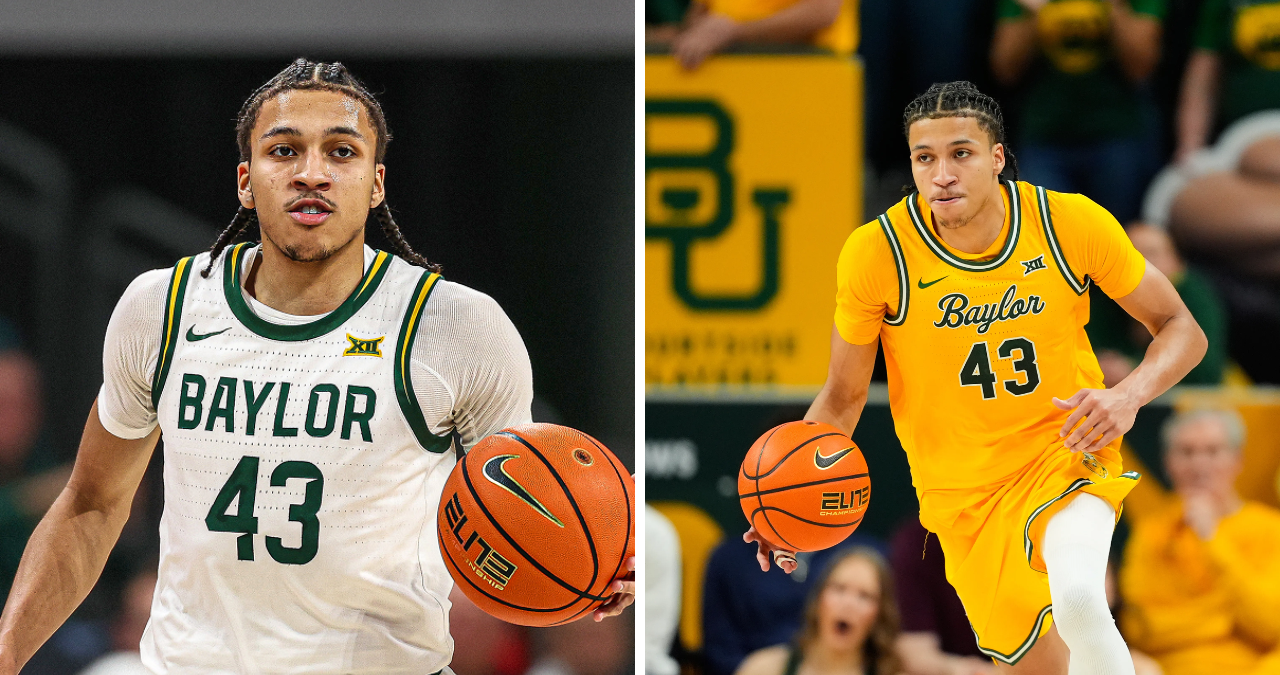

Basketball fans are always searching for the next breakout star, and few young players have generated as much excitement in recent years as Cameron Carr. Blessed with elite athleticism, impressive scoring instincts, and a modern skill set suited for today’s game, he has steadily built a reputation as one of the most intriguing young prospects in college basketball.
The path to becoming a recognized basketball talent is never easy. It requires years of dedication, sacrifice, and continuous improvement. For Carr, the journey has been defined by hard work, strong fundamentals, and a relentless desire to compete against top-level competition. From his early days as a standout high school athlete to earning opportunities on major stages, he has consistently demonstrated the qualities coaches seek in elite players.
What makes his story especially compelling is the combination of natural talent and developmental upside. Many young athletes possess athletic gifts, but only a select few show the commitment required to maximize their potential. His growth as a player has reflected not only physical ability but also a deep understanding of the game.
As college basketball continues to evolve, versatile guards and wings who can score, defend, and create opportunities are becoming increasingly valuable. Carr fits that profile remarkably well. His blend of size, length, athleticism, and basketball IQ positions him as a player capable of making significant contributions at the collegiate level while potentially attracting attention from professional scouts in the future.
The story of his development provides insight into what it takes to succeed in today’s highly competitive basketball landscape. From training sessions and high school tournaments to national recruiting attention and college competition, every step has played an important role in shaping his career.
Early Life and Basketball Beginnings
Every successful athlete has an origin story, and Carr’s basketball journey began long before national recruiting services started tracking his progress. Growing up, he was surrounded by opportunities to develop his athletic abilities and discover a passion for competition.
Like many future stars, he spent countless hours refining his skills in gyms, on playground courts, and during organized youth basketball events. These formative experiences helped build the foundation that would later support his rise through the basketball ranks.
Young athletes often reveal their potential through a combination of natural talent and an eagerness to learn. Coaches who worked with him during his early years frequently noted his willingness to absorb instruction and apply lessons quickly during games. This ability to learn and adapt became one of his defining characteristics.
Basketball development is rarely linear. Players encounter challenges, setbacks, and moments of uncertainty along the way. Yet those experiences frequently shape future success. Carr’s early years helped cultivate resilience, discipline, and a competitive mindset that would become increasingly important as he advanced to higher levels of competition.
Family support also played a critical role in fostering his growth. Behind nearly every successful athlete is a network of individuals who provide encouragement, guidance, and stability. Those influences helped create an environment where his talent could flourish while maintaining a focus on long-term development.
High School Career and National Recognition
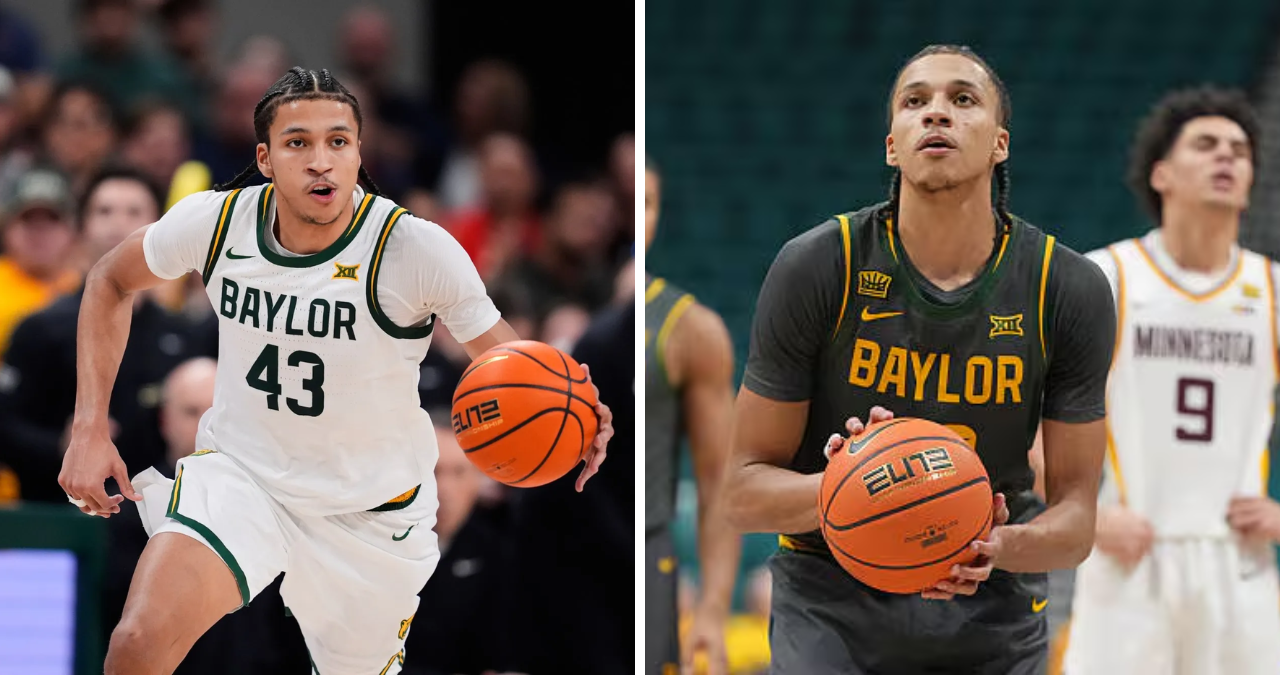
The high school stage often serves as the launching point for elite basketball prospects, and this period proved instrumental in elevating Carr’s profile. Competing against strong opponents on a regular basis allowed him to showcase his abilities while attracting attention from coaches, scouts, and recruiting analysts.
As his performances became more consistent, his reputation expanded beyond local circles. Tournament appearances, showcase events, and high-profile matchups gave him opportunities to compete against some of the nation’s best young players. These experiences provided valuable exposure while testing his skills against elite competition.
One of the most impressive aspects of his high school career was his versatility. Rather than relying solely on one area of strength, he demonstrated the ability to impact games in multiple ways. Whether scoring, defending, rebounding, or facilitating offense, he consistently found ways to contribute to team success.
The recruiting process can be intense for highly regarded prospects. Coaches from prominent programs evaluate not only athletic performance but also character, work ethic, and long-term potential. Carr’s combination of talent and maturity helped him stand out during this critical stage of his basketball journey.
The attention he received reflected years of preparation and performance. Recruiting rankings and scouting reports increasingly highlighted his potential, recognizing him as a player capable of making a significant impact at the collegiate level.
High School Snapshot
| Category | Details |
|---|---|
| Position | Guard/Wing |
| Strengths | Athleticism, scoring, defense, versatility |
| Notable Traits | Length, explosiveness, basketball IQ |
| Recruiting Status | Highly regarded prospect |
| Playing Style | Two-way player with modern skill set |
| Development Focus | Shooting consistency, decision-making, leadership |
The recognition earned during this period was not simply the result of isolated performances. It reflected sustained excellence and a commitment to improvement over multiple seasons.
Athletic Profile and Physical Attributes
Modern basketball places a premium on athletic versatility, and Carr possesses many of the physical tools that coaches value at the highest levels. His combination of size, length, speed, and explosiveness creates advantages on both ends of the floor.
Athleticism alone does not guarantee success, but it provides opportunities that skilled players can maximize. Carr’s ability to accelerate quickly, elevate around the basket, and change directions effectively makes him a difficult matchup for opponents.
Length is another important aspect of his game. Long wingspans often enhance defensive capabilities, improve rebounding potential, and create additional scoring opportunities near the basket. These attributes allow him to impact possessions even when shots are not falling.
His agility enables him to defend multiple positions, an increasingly valuable trait in modern basketball. Teams often seek players capable of switching assignments and adapting to different offensive schemes. This versatility enhances his overall value and broadens the ways coaches can utilize him.
Strength development continues to be an important area for many young players transitioning into higher levels of competition. As athletes mature physically, improvements in strength can enhance finishing ability, defensive effectiveness, and durability throughout demanding seasons.
The physical foundation he possesses provides a strong platform for continued growth. Combined with skill development and basketball intelligence, these attributes contribute significantly to his long-term potential.
Playing Style and On-Court Identity
Understanding a player’s style requires looking beyond statistics and examining how they influence the game. Carr’s approach combines athleticism, aggression, and adaptability, making him an exciting player to watch.
Offensively, he demonstrates the ability to attack the basket with confidence. His speed and explosiveness allow him to create separation and pressure defenses in transition situations. When opportunities arise, he can finish above the rim or navigate traffic effectively.
Perimeter play has become increasingly important in today’s game. Carr continues developing as a shooter while expanding his offensive repertoire. The ability to score from multiple areas of the floor enhances overall effectiveness and forces defenses to remain balanced.
His playmaking abilities also deserve attention. While scoring often receives the most recognition, creating opportunities for teammates represents an equally important component of winning basketball. He has shown the willingness to make smart reads and distribute the ball when defenses collapse.
Defensively, his athletic traits become especially valuable. Quick feet, length, and anticipation allow him to contest shots, disrupt passing lanes, and challenge opposing ball handlers. Strong defensive players often influence games in ways that extend beyond traditional statistics.
One quote often attributed to successful basketball development emphasizes the importance of versatility:
“The more ways a player can impact the game, the more valuable he becomes.”
That philosophy aligns closely with the strengths Carr brings to the court.
Recruiting Journey and College Decision
The recruiting process represents a significant milestone for elite basketball prospects. It involves evaluating academic opportunities, coaching philosophies, program culture, and long-term developmental pathways.
For highly ranked recruits, interest from major programs can be extensive. Coaches invest significant resources in identifying players who fit their systems and future plans. Carr’s skill set naturally attracted attention from schools seeking athletic, versatile perimeter players.
Recruiting decisions often involve careful consideration of both immediate opportunities and future potential. Players must evaluate where they can best develop while contributing to team success. Finding the right environment can have a profound impact on long-term growth.
The relationships established during recruitment frequently influence final decisions. Trust between players, families, and coaching staffs plays an important role in determining where athletes choose to continue their careers.
When Carr ultimately reached his decision, it reflected months of evaluation and discussion. The choice represented not only the next step in his basketball journey but also a commitment to personal and athletic development.
College programs invest heavily in player growth, providing resources that help athletes refine their skills, improve physical conditioning, and prepare for future opportunities. Entering such an environment marked an exciting new chapter in his career.
Transition to College Basketball
Moving from high school to college basketball presents challenges even for highly talented prospects. The speed of the game increases, physicality intensifies, and competition becomes significantly stronger.
Freshmen often face steep learning curves as they adjust to new systems, expectations, and responsibilities. Success requires patience, adaptability, and a willingness to embrace continuous improvement.
Carr entered college basketball with considerable expectations, but expectations alone do not guarantee results. Every player must earn opportunities through practice performance, preparation, and consistent effort.
The transition period frequently includes moments of adjustment. Learning offensive schemes, defensive responsibilities, and team dynamics takes time. Players who embrace the process often experience the greatest long-term success.
One of the most important aspects of this stage involves understanding how individual talents fit within team structures. College basketball rewards players who contribute to collective success while continuing to develop their personal strengths.
The experience gained during early collegiate competition provides valuable lessons that cannot be replicated through practice alone. Each game contributes to a player’s evolution and understanding of high-level basketball.
Offensive Strengths That Stand Out
Offensive versatility remains one of the most appealing aspects of Carr’s game. His ability to contribute in different scoring situations creates challenges for opposing defenses.
Transition offense represents a major strength. Few things are more difficult for defenders than containing athletic players in open space. His speed and explosiveness allow him to capitalize on fast-break opportunities and generate momentum-changing plays.
Attacking the basket effectively requires both confidence and control. Carr demonstrates a willingness to challenge defenders while maintaining composure in crowded areas. This aggressiveness helps create scoring chances and pressure opposing defenses.
Developing perimeter shooting continues to be an important part of his offensive growth. Modern basketball places tremendous value on spacing and outside shooting. Continued improvement in this area can significantly expand his impact.
Off-ball movement also contributes to offensive effectiveness. Players who understand spacing, timing, and positioning create opportunities even when they do not possess the basketball. These subtle skills often separate good players from great ones.
As his game continues evolving, offensive diversity remains one of his greatest strengths. The ability to adapt and contribute in multiple ways enhances both individual performance and team success.
Defensive Impact and Competitive Mindset
Defense often determines playing time, particularly for young athletes entering competitive college programs. Coaches value players who consistently compete, communicate, and execute defensive responsibilities.
Carr possesses several traits that translate effectively to defense. Length, athleticism, and mobility enable him to challenge opponents across multiple positions. These qualities make him an asset in modern defensive systems that emphasize versatility.
Defensive success extends beyond physical tools. Awareness, anticipation, and effort are equally important. Effective defenders understand tendencies, recognize actions before they develop, and remain disciplined throughout possessions.
Competitive intensity often distinguishes elite defenders. Players willing to embrace challenging assignments demonstrate commitment to team success and overall improvement. Carr’s approach reflects this mindset.
Strong defense can influence momentum in significant ways. Steals, deflections, contested shots, and defensive rebounds often create transition opportunities that lead directly to scoring chances.
Many basketball coaches share a similar philosophy:
“Defense travels, even when offense doesn’t.”
This principle highlights the importance of maintaining consistent effort regardless of circumstances.
Leadership Development and Team Influence
Leadership evolves over time. While some players naturally assume leadership roles, most develop these skills through experience, observation, and personal growth.
Young athletes often begin by leading through effort and example. Consistent work habits, positive attitudes, and accountability establish credibility among teammates and coaches. These qualities frequently serve as the foundation for future leadership responsibilities.
Carr’s development includes learning how to influence team culture and contribute beyond individual performance. Effective leaders understand that success depends on collective effort rather than personal achievement alone.
Communication represents another critical component of leadership. Whether directing teammates on defense, encouraging players during difficult stretches, or maintaining focus during challenging situations, strong communication enhances team performance.
Leadership opportunities naturally increase as players gain experience. Veterans are often expected to mentor younger teammates while helping maintain standards established within programs.
Growth in this area can significantly enhance long-term success both on and off the court.
Areas of Growth and Future Development
No player reaches complete development at a young age. Continuous improvement remains essential for athletes seeking to maximize their potential.
For Carr, ongoing refinement of perimeter shooting represents an important developmental area. Consistent outside shooting can make already dangerous offensive players even more difficult to defend.
Decision-making under pressure also continues to evolve through experience. As players encounter different defensive schemes and game situations, they gain a deeper understanding of timing, spacing, and shot selection.
Physical development remains another key factor. Increased strength can enhance finishing ability, defensive versatility, and durability throughout demanding seasons.
Leadership growth and communication skills likewise contribute to overall development. Basketball success often depends as much on mental growth as physical improvement.
The most successful athletes view development as an ongoing process rather than a destination. This mindset encourages constant learning and adaptation.
Carr’s willingness to embrace improvement will play a significant role in shaping future opportunities and achievements.
Potential Professional Outlook
Projecting future professional success requires balancing current performance with long-term potential. Scouts evaluate athletic ability, skill development, basketball intelligence, and overall trajectory.
Carr possesses several qualities commonly associated with professional prospects. Athleticism, positional versatility, defensive potential, and scoring ability all align with characteristics valued at higher levels of basketball.
The modern game increasingly favors players capable of contributing across multiple areas. Specialists remain valuable, but versatility often creates additional opportunities for advancement.
Professional evaluations also consider work ethic and developmental trends. Players who consistently improve tend to generate greater interest from scouts and decision-makers.
While future outcomes remain uncertain, the foundation he has established positions him well for continued progress. Sustained growth and strong collegiate performances can significantly influence professional opportunities.
Basketball careers are rarely defined by early projections alone. Persistence, preparation, and adaptability often determine ultimate success.
The Growing Popularity of Cameron Carr Among Fans
College basketball fans appreciate players who bring energy, excitement, and competitiveness to every game. Carr’s athletic style naturally attracts attention from spectators and analysts alike.
Highlight plays often generate visibility, but lasting popularity comes from consistent effort and performance. Fans tend to connect with athletes who demonstrate passion and commitment while representing their programs with professionalism.
Social media and digital coverage have amplified the visibility of emerging athletes. Outstanding performances can quickly reach national audiences, increasing recognition and expanding fan bases.
Carr’s appeal extends beyond statistics. His style of play reflects many qualities basketball enthusiasts admire, including athleticism, determination, and versatility.
As his career continues progressing, fan interest is likely to grow alongside his accomplishments. Increased exposure frequently accompanies success at higher levels of competition.
The relationship between athletes and fans remains an important part of sports culture. Positive engagement helps strengthen connections while building broader support for individual players and programs.
Legacy, Ambition, and Long-Term Vision
Every athlete hopes to leave a lasting impact. While championships and awards often receive the most attention, legacy encompasses much more than accolades.
For young players, legacy begins with daily habits and commitment to excellence. Consistency, resilience, and integrity frequently define careers as much as statistical achievements.
Carr’s journey remains in its early stages, yet the foundation already established suggests significant potential for future accomplishments. Continued growth could lead to memorable moments, individual recognition, and meaningful contributions to team success.
Ambition plays an essential role in athletic development. Players who set high standards for themselves often discover new levels of performance through disciplined effort and preparation.
Long-term success requires balancing immediate goals with broader aspirations. Maintaining focus while navigating challenges is a hallmark of successful athletes across all levels of competition.
The story continues to unfold, but the combination of talent, determination, and opportunity creates an exciting outlook for the years ahead.
Conclusion
The rise of Cameron Carr reflects the qualities that define successful basketball prospects in today’s game. Athleticism, versatility, dedication, and a commitment to continuous improvement have helped him emerge as a player worthy of attention from fans, coaches, and analysts alike.
From his early development and standout high school performances to his transition into college basketball, every stage of his journey has contributed to his growth as an athlete. His ability to impact games on both ends of the floor, combined with a strong competitive mindset, positions him for continued success.
While challenges and opportunities lie ahead, the foundation is firmly in place. Continued development in areas such as shooting consistency, leadership, and decision-making can elevate his game even further. The future remains unwritten, but the potential is undeniable.
As college basketball evolves and new stars emerge, Cameron Carr remains one of the intriguing young talents to watch. His journey serves as an example of how hard work, perseverance, and skill development can create opportunities at the highest levels of the sport.
FAQ
Who is Cameron Carr?
Cameron Carr is a talented college basketball player known for his athleticism, versatility, and potential as a rising prospect.
What position does Cameron Carr play?
He primarily plays as a guard or wing, allowing him to contribute in multiple roles on the court.
What are Cameron Carr’s strengths?
His key strengths include scoring ability, athleticism, defensive versatility, and strong basketball instincts.
Why is Cameron Carr considered a top prospect?
He earned recognition through impressive high school performances, athletic tools, and consistent development.
What is next for Cameron Carr?
As he continues his college basketball career, many expect him to further develop and pursue higher-level opportunities in the future.