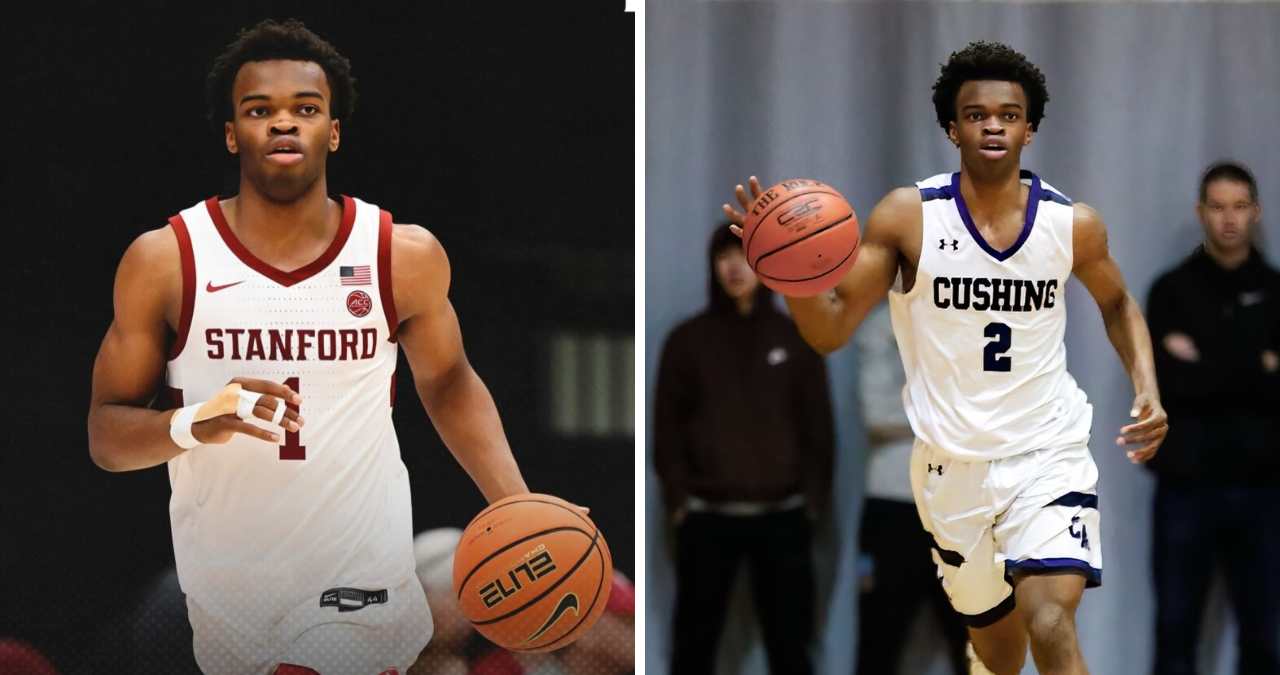

Basketball continues to produce exciting young talents from different parts of the world, and among the names gaining attention in recent years is ebuka okorie. Known for his dedication, skill development, and impressive performances on the court, he has steadily built a reputation as a player with tremendous promise. His journey reflects the combination of hard work, resilience, and passion that often separates good athletes from great ones.
The story of modern basketball is filled with players who rose from humble beginnings and transformed themselves into elite competitors through persistence and commitment. The path followed by many successful athletes is rarely straightforward, and the same can be said for emerging talents striving to establish themselves in an increasingly competitive environment. Through discipline, consistent improvement, and a strong understanding of the game, young players can earn recognition at higher levels of competition.
As basketball continues expanding globally, more opportunities are becoming available for talented athletes. Scouts, coaches, and organizations constantly search for players who possess both natural ability and the mindset necessary for long-term success. In this environment, developing players must demonstrate not only athleticism but also intelligence, adaptability, and leadership.
The growing interest surrounding ebuka okorie stems from these qualities. Observers have noted his commitment to development and his ability to impact games in multiple ways. While every athlete’s journey is unique, his progress offers valuable insights into what it takes to succeed in today’s basketball landscape.
This comprehensive article explores his background, basketball development, playing style, achievements, strengths, challenges, influence on young athletes, and future prospects while providing a broader understanding of the factors that contribute to success in competitive basketball.
Early Life and Background
Every athlete’s story begins long before the bright lights of competition. The foundation of success is often built during childhood through exposure to sports, supportive environments, and opportunities to learn valuable life lessons. For many basketball players, the earliest experiences involve neighborhood courts, school competitions, and countless hours spent practicing fundamental skills.
Young athletes frequently discover their passion through simple moments. Whether shooting baskets with friends, watching professional games, or participating in local tournaments, these experiences help shape their ambitions. Early exposure to competition teaches discipline, teamwork, and perseverance while fostering a love for the sport.
The developmental years are especially important because they establish habits that often remain throughout an athlete’s career. Consistency in training, attention to detail, and a willingness to learn can accelerate growth. Coaches and mentors also play significant roles during this stage by identifying strengths and helping players overcome weaknesses.
Like many aspiring basketball players, ebuka okorie benefited from experiences that helped cultivate his understanding of the game. The combination of natural talent and structured development created a platform for future progress. As his skills improved, he gained opportunities to compete against stronger opponents, which further accelerated his growth.
The importance of family support, community involvement, and positive mentorship cannot be overstated in an athlete’s development. Behind every successful player are individuals who provide encouragement during difficult periods and celebrate achievements along the way. These influences often become key contributors to long-term success.
The Growing Influence of Basketball Development Programs
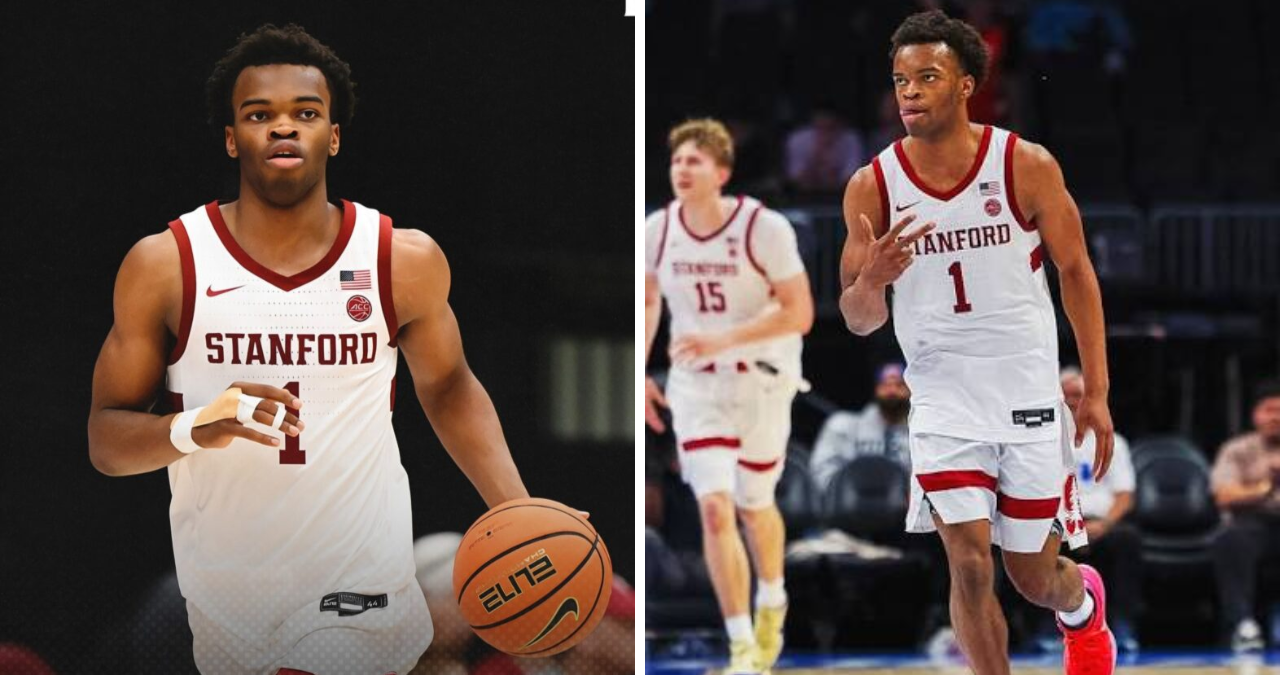
Modern basketball has evolved dramatically over the last two decades. Development programs now play a major role in identifying and nurturing young talent. These programs provide athletes with access to professional coaching, advanced training techniques, competitive environments, and exposure to scouts.
Unlike previous generations, today’s players can benefit from year-round training opportunities. Strength conditioning, nutrition education, film analysis, and skill-specific instruction have become standard components of athlete development. This comprehensive approach allows young players to maximize their potential more efficiently.
Basketball academies and developmental organizations have become critical pathways for aspiring athletes. They bridge the gap between amateur competition and higher levels of the sport while providing valuable exposure. Players who perform well within these systems often attract attention from colleges, professional clubs, and international scouts.
One of the greatest benefits of structured development programs is competition against elite peers. Facing talented opponents forces athletes to adapt, improve decision-making, and elevate their performance standards. Success at higher levels often depends on how effectively players respond to these challenges.
For a promising athlete such as ebuka okorie, access to competitive environments contributes significantly to overall growth. The ability to learn from experienced coaches and compete against strong opponents provides invaluable preparation for future opportunities.
These developmental systems continue shaping the next generation of basketball stars and remain essential components of the modern basketball ecosystem.
Basketball Career Overview
The progression of a basketball career is often marked by milestones that reflect both individual growth and team success. Each stage presents new challenges, requiring athletes to adjust their skills, mindset, and expectations. Early accomplishments often create momentum that encourages continued development.
Competitive basketball rewards consistency. While spectacular performances attract attention, long-term success depends on the ability to perform effectively over extended periods. Coaches value players who contribute regularly, demonstrate professionalism, and maintain high standards regardless of circumstances.
Athletes typically progress through various levels of competition, gradually increasing their responsibilities. As confidence grows, players become more comfortable making critical decisions during important moments. This evolution often reveals leadership qualities and competitive maturity.
Observers have noted the steady development displayed by ebuka okorie throughout his basketball journey. His performances reflect a player committed to improvement and capable of adapting to increasingly demanding situations. Such progression is often a strong indicator of future success.
The transition between developmental stages requires patience and resilience. Setbacks are inevitable, but athletes who embrace challenges often emerge stronger. Learning from mistakes and maintaining focus on long-term goals are essential characteristics of successful competitors.
Basketball careers rarely follow perfectly predictable paths. However, consistent effort and a commitment to growth frequently create opportunities that accelerate advancement and recognition.
Key Career Information
| Category | Information |
|---|---|
| Sport | Basketball |
| Position | Guard |
| Primary Strengths | Ball handling, scoring, court vision |
| Development Focus | Shooting consistency, defensive versatility |
| Competitive Traits | Leadership, work ethic, basketball IQ |
| Long-Term Potential | High-level professional development |
| Notable Attributes | Athleticism, adaptability, confidence |
The information above highlights several characteristics commonly associated with successful guards in modern basketball. The position demands versatility, decision-making, and the ability to impact games offensively and defensively.
As basketball continues evolving, players who can contribute across multiple areas become increasingly valuable. Teams seek athletes capable of adapting to different systems and responsibilities, making versatility a significant asset.
Playing Style and On-Court Identity
Every successful basketball player develops a unique identity that distinguishes them from competitors. This identity emerges through a combination of physical tools, technical skills, and basketball intelligence. Understanding a player’s style provides valuable insight into their strengths and overall impact.
Modern guards are expected to do far more than score points. They must facilitate offense, create opportunities for teammates, defend multiple positions, and make smart decisions under pressure. The best players excel in balancing these responsibilities while maintaining efficiency.
One notable aspect of ebuka okorie is his ability to influence the game beyond traditional statistics. Effective players understand spacing, timing, and momentum. They recognize opportunities before they fully develop and make decisions that benefit the entire team.
Ball handling is a particularly important skill for guards. Strong dribbling ability allows players to navigate defensive pressure, create scoring opportunities, and initiate offensive sets. Combined with court vision, this skill enhances overall effectiveness.
Another important component of modern basketball is versatility. Players capable of adapting to different roles become valuable assets because they provide flexibility for coaches and teammates. This adaptability often contributes to long-term success.
Basketball intelligence remains one of the most underrated qualities in the sport. Understanding game situations, anticipating defensive rotations, and recognizing strategic opportunities can significantly elevate performance. Athletes who combine physical talent with high basketball IQ frequently achieve greater success than those relying solely on athletic ability.
Strengths That Set Him Apart
Successful athletes often possess distinguishing qualities that separate them from their peers. These strengths may involve technical skills, mental toughness, leadership ability, or a combination of factors that contribute to consistent performance.
Confidence plays a crucial role in basketball. Players must trust their preparation and execute under pressure. Confidence influences shooting decisions, defensive intensity, and overall competitiveness. However, true confidence is built through preparation rather than arrogance.
Work ethic is another defining characteristic. Many talented athletes possess natural gifts, but sustained success typically belongs to those willing to invest additional effort. Extra training sessions, attention to recovery, and continuous learning contribute to long-term improvement.
A coach once remarked, “Talent opens the door, but discipline determines how far you walk through it.” This observation captures an essential truth about athletic development. Consistent effort often proves more valuable than raw ability alone.
The strengths associated with ebuka okorie extend beyond measurable statistics. Leadership, determination, and a commitment to growth help create a foundation for future success. These qualities are especially important during challenging periods when progress may seem slow.
Athletic development is rarely linear. Players experience fluctuations in performance, confidence, and opportunities. Those who remain committed to improvement despite obstacles often achieve the greatest results.
Strong communication skills also contribute to team success. Effective leaders encourage teammates, maintain focus during difficult situations, and help create positive team culture. These contributions may not always appear in box scores, but they significantly influence outcomes.
The Importance of Basketball IQ
Basketball IQ refers to a player’s understanding of the game and ability to make intelligent decisions in real time. While physical talent attracts attention, high-level success often depends on mental processing and strategic awareness.
Players with strong basketball IQ consistently make smart decisions regarding shot selection, passing angles, defensive positioning, and game management. They understand how individual actions affect team performance and recognize opportunities before opponents do.
Film study is a major component of basketball intelligence. Reviewing games allows athletes to identify strengths, correct mistakes, and better understand strategic concepts. Many elite players spend significant time analyzing their performances and studying opponents.
Decision-making speed becomes increasingly important at higher levels of competition. The game moves faster, defensive schemes become more sophisticated, and opportunities disappear quickly. Players who process information efficiently gain a substantial advantage.
Observers frequently emphasize the value of basketball intelligence when evaluating prospects. Athletic ability may create opportunities, but decision-making determines how effectively those opportunities are utilized.
The development of basketball IQ requires patience and experience. Each game provides lessons that contribute to greater understanding. Over time, players become more comfortable recognizing patterns and adjusting strategies accordingly.
This intellectual aspect of basketball often separates good players from elite performers and remains a critical factor in long-term development.
Leadership and Team Impact
Leadership extends far beyond motivational speeches and visible displays of emotion. Effective leaders influence teammates through actions, consistency, accountability, and communication. Their presence often elevates overall team performance.
In basketball, leadership can take many forms. Some players lead vocally by directing teammates and maintaining energy levels. Others lead through example, demonstrating professionalism and dedication during practices and games.
Trust is an essential component of leadership. Teammates are more likely to follow individuals who consistently prioritize team success over personal recognition. This trust creates stronger relationships and enhances collective performance.
The influence of ebuka okorie on team dynamics reflects the broader importance of leadership in sports. Athletes who embrace responsibility often become valuable contributors regardless of statistical production.
A respected coach once stated, “The best leaders make everyone around them better.” This philosophy captures the essence of effective leadership. Great leaders create environments where teammates feel confident, supported, and motivated.
Leadership skills continue developing throughout an athlete’s career. Experiences gained through victories, defeats, and adversity contribute to personal growth and greater understanding of team dynamics.
Organizations consistently value players who combine talent with leadership because such individuals contribute positively both on and off the court.
Training Philosophy and Work Ethic
Athletic success is built upon preparation. Behind every impressive performance are countless hours of practice, conditioning, recovery, and mental preparation. Training philosophy often determines how effectively athletes maximize their potential.
Modern basketball training incorporates multiple disciplines. Skill development, strength conditioning, mobility work, nutrition, and recovery strategies all contribute to performance enhancement. The most successful athletes understand the importance of maintaining balance across these areas.
Consistency remains the cornerstone of effective training. Short bursts of intense effort rarely produce lasting results. Instead, sustained commitment over months and years creates meaningful progress.
Developing players frequently focus on refining specific aspects of their game. Shooting mechanics, defensive positioning, footwork, and decision-making are common areas of emphasis. Incremental improvements in these areas can significantly impact overall performance.
The dedication shown by ebuka okorie reflects the mindset required for long-term development. Athletes who embrace continuous improvement often discover opportunities that might otherwise remain unavailable.
Recovery has become increasingly important within modern sports. Proper sleep, nutrition, hydration, and injury prevention strategies help athletes maintain peak performance levels while reducing the risk of setbacks.
The combination of disciplined training and effective recovery creates a sustainable foundation for athletic growth and competitive success.
Challenges Along the Journey
Every athletic career includes obstacles. Injuries, competition, performance slumps, and external pressures can test an athlete’s resilience. How individuals respond to these challenges often shapes their future trajectory.
One of the most difficult aspects of sports is managing expectations. As athletes gain recognition, pressure naturally increases. Learning to focus on controllable factors rather than external opinions becomes an important skill.
Competition intensifies at higher levels. Opponents become stronger, faster, and more experienced. Success requires constant adaptation and a willingness to embrace uncomfortable situations that promote growth.
Mental resilience plays a significant role during challenging periods. Athletes must maintain confidence while acknowledging areas for improvement. This balance helps prevent discouragement and supports continued progress.
Like many developing players, ebuka okorie has likely encountered situations that demanded perseverance and determination. These experiences often become valuable learning opportunities that strengthen character.
Setbacks can provide important lessons. Athletes frequently emerge from difficult periods with greater maturity, improved focus, and a deeper appreciation for success. The ability to learn from adversity remains one of the defining characteristics of elite competitors.
Growth often occurs outside comfort zones, making challenges an essential component of athletic development.
Influence on Young Basketball Players
Emerging athletes frequently serve as role models for younger generations. Their journeys demonstrate what can be achieved through dedication, discipline, and passion. This influence extends beyond basketball and often impacts personal development.
Young players naturally look up to individuals who embody qualities they admire. Hard work, humility, sportsmanship, and perseverance inspire aspiring athletes to pursue their own goals with greater commitment.
The global growth of basketball has increased the visibility of developing players. Social media, digital platforms, and international competitions allow fans to follow athletes throughout their careers. This visibility creates opportunities to inspire broader audiences.
The story of ebuka okorie resonates with many young players because it highlights the value of persistence. Success rarely arrives immediately, and meaningful progress often requires years of effort.
Mentorship also plays a critical role in athlete development. Experienced players who share knowledge and encouragement contribute positively to the next generation. Their guidance helps younger athletes navigate challenges and make informed decisions.
Positive role models reinforce the importance of character alongside athletic achievement. Respect, accountability, and professionalism remain valuable qualities both within sports and beyond.
The influence of dedicated athletes can extend far beyond the court, shaping attitudes, aspirations, and future opportunities for countless young individuals.
The Evolution of Modern Guards
The role of guards has transformed significantly over time. Traditional responsibilities focused primarily on ball handling and playmaking. Today’s guards must excel across multiple dimensions to remain effective.
Modern offenses emphasize spacing, shooting, pace, and versatility. Guards are expected to create scoring opportunities while also contributing as shooters, defenders, and decision-makers. This expanded role increases the demands placed upon players.
Athleticism remains important, but skill development has become equally valuable. Elite guards combine physical tools with refined techniques that allow them to succeed against sophisticated defensive schemes.
Defensive versatility is another critical component of the modern game. Teams increasingly value players capable of guarding multiple positions and adapting to various matchups. This flexibility enhances overall team performance.
The playing style associated with ebuka okorie aligns with several characteristics valued in contemporary basketball. Adaptability, intelligence, and skill diversity contribute to long-term viability within evolving systems.
Technological advancements have also influenced player development. Video analysis, performance tracking, and specialized training methods provide athletes with more information than ever before. These resources help accelerate improvement and optimize performance.
As basketball continues evolving, versatile guards will remain among the sport’s most valuable assets.
Future Outlook and Potential
Projecting an athlete’s future requires consideration of multiple factors, including skill development, work ethic, health, opportunity, and adaptability. While predictions are never certain, certain traits consistently indicate strong long-term potential.
Continuous improvement remains one of the most reliable indicators of future success. Athletes who demonstrate year-over-year growth often position themselves for increasingly significant opportunities. This progression reflects both talent and dedication.
Professional basketball demands more than physical ability. Players must manage expectations, maintain discipline, and adapt to changing circumstances. Those who embrace these responsibilities generally experience smoother transitions to higher levels.
Many observers believe that ebuka okorie possesses qualities that support continued development. His commitment to improvement and competitive mindset provide a strong foundation for future achievements.
The basketball landscape offers numerous pathways for talented players. Domestic leagues, international competitions, developmental programs, and professional organizations create opportunities for advancement. Success depends on preparation and the ability to capitalize on these opportunities when they arise.
A veteran coach once said, “Potential becomes reality only when effort meets opportunity.” This statement highlights the relationship between talent and execution. Athletes must consistently prepare themselves to take advantage of emerging possibilities.
The future remains full of possibilities for dedicated players willing to invest in their growth and embrace the challenges that accompany ambition.
Legacy, Reputation, and Long-Term Impact
An athlete’s legacy is not defined solely by statistics or awards. Character, influence, leadership, and contributions to the sport also shape how individuals are remembered. The most respected athletes leave lasting impressions on teammates, coaches, and communities.
Building a positive reputation requires consistency. Actions both on and off the court contribute to public perception and professional opportunities. Integrity and professionalism often become distinguishing characteristics of respected competitors.
Athletes who inspire others create impact that extends beyond personal achievements. Their stories encourage future generations to pursue goals with determination and confidence. This influence can remain meaningful long after playing careers conclude.
The ongoing journey of ebuka okorie continues contributing to a growing reputation built upon dedication and development. As his career progresses, additional accomplishments may further strengthen his standing within basketball circles.
Long-term success often involves balancing personal goals with broader contributions to the sport. Players who embrace leadership, mentorship, and community engagement frequently create enduring legacies.
Basketball history is filled with individuals whose influence exceeded their statistical achievements. Their commitment to excellence and positive impact helped shape the culture of the sport for future generations.
Every stage of an athlete’s journey contributes to the story ultimately remembered by fans, teammates, and aspiring players.
Conclusion
The story of ebuka okorie represents many of the qualities that define successful athletes in modern basketball. Through dedication, skill development, resilience, and a commitment to continuous improvement, he has earned recognition as a promising talent with significant potential.
His journey highlights the importance of strong fundamentals, effective leadership, basketball intelligence, and consistent work ethic. These attributes remain essential for athletes seeking long-term success in an increasingly competitive environment.
As basketball continues evolving globally, players who combine versatility, determination, and professionalism will remain highly valued. The progress demonstrated throughout his career reflects a foundation capable of supporting future growth and achievement.
Whether viewed as an emerging prospect, a dedicated competitor, or an inspiring example for younger athletes, ebuka okorie continues to represent the values that make basketball such a powerful and influential sport. His ongoing development serves as a reminder that success is built through persistence, preparation, and an unwavering commitment to excellence.
FAQ
Who is Ebuka Okorie?
Ebuka Okorie is a talented basketball player known for his skill development, strong work ethic, and growing reputation in the sport.
What position does Ebuka Okorie play?
He primarily plays as a guard, contributing through ball handling, scoring, and playmaking abilities.
Why is Ebuka Okorie gaining attention?
He is gaining attention because of his consistent improvement, competitive mindset, and potential for future success.
What are Ebuka Okorie’s key strengths?
His key strengths include basketball IQ, athleticism, leadership, and versatility on the court.
What is the future outlook for Ebuka Okorie?
Many basketball observers believe he has significant potential to continue progressing and achieve higher levels of success in his career.